Introduction
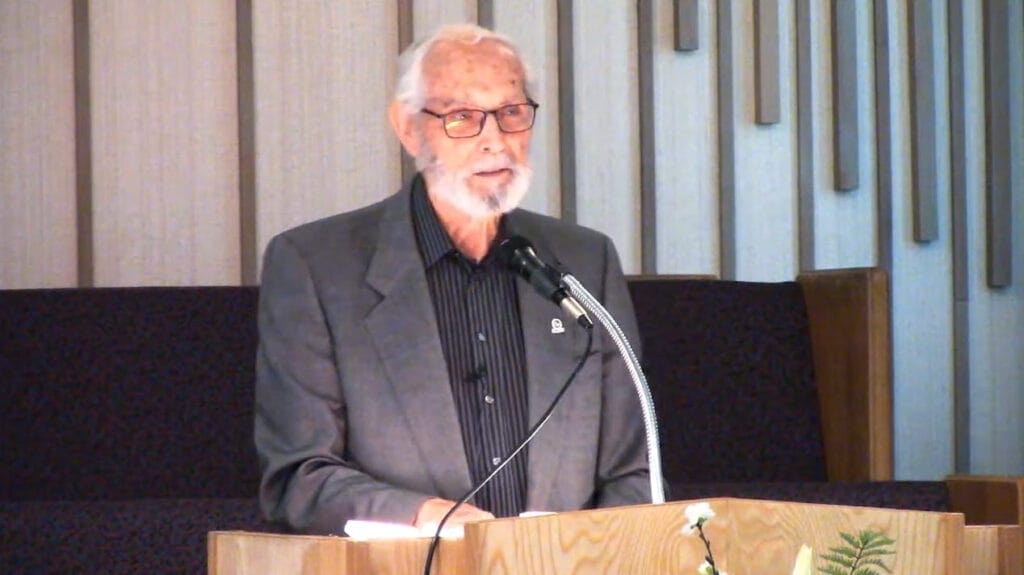
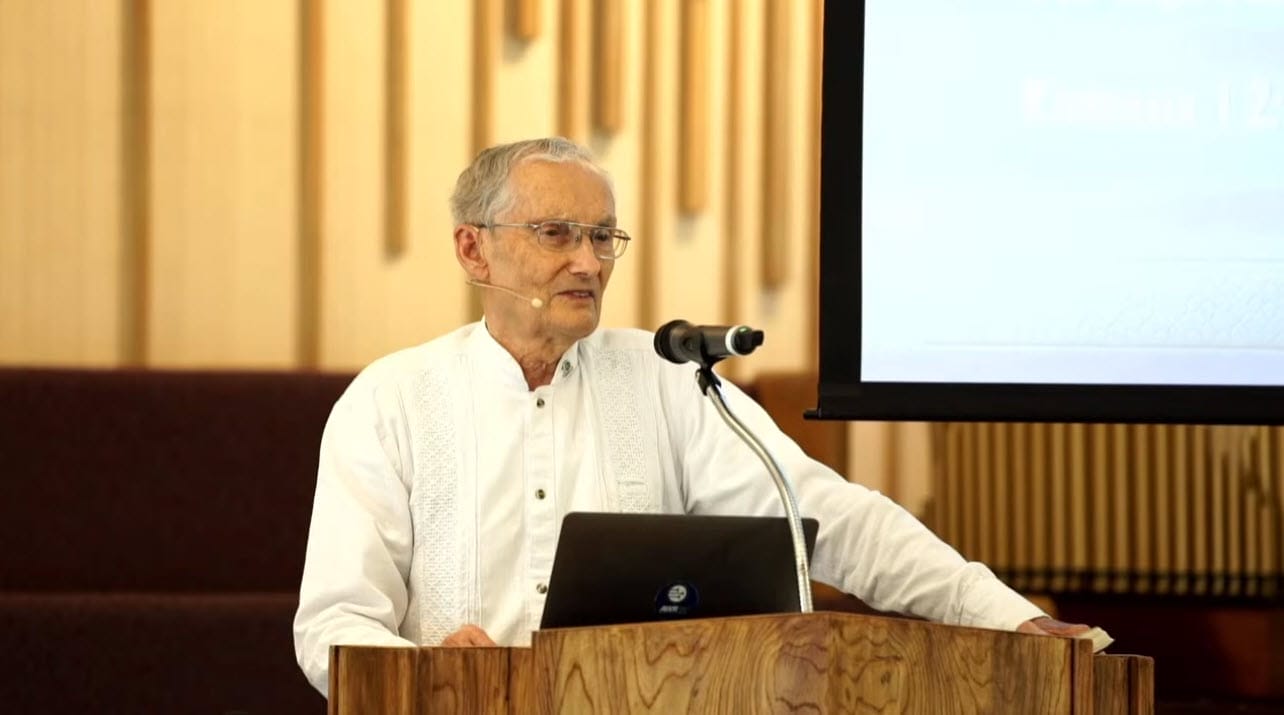
- The video is a Sabbath service message at Wildwood Seventh-day Adventist Church.
- The speaker welcomes guests and online viewers, shares announcements, and opens with prayer.
- The focus is on encouragement and hope for those with loved ones who are not following God.
Key Themes
1. The Parable of the Lost Sheep (Luke 15:1-7)
- Jesus’ parable emphasizes God’s deep love for every individual.
- Even if one sheep (person) is lost, the shepherd (God) will leave the ninety-nine to find the one lost.
- This illustrates God’s relentless pursuit of each lost soul, showing His care and compassion.
- The parable reassures that no one is beyond God’s reach or care.
2. Divine Intervention in Lives
- God actively intervenes in the lives of those who stray.
- Example 1: Jonah – despite Jonah’s initial rebellion, God uses a storm and a great fish to bring him back to His will.
- Example 2: Ninevites – God’s message through Jonah leads an entire city to repentance.
- God’s interventions can be direct or indirect, through warnings, miracles, consequences, or circumstances.
- Encouragement: No matter how far a loved one has strayed, God’s plan to save them is active.
3. Communication Strategies in Reaching Loved Ones
- Avoid being overly spiritual or forceful; this can push people away.
- Practice patience and gentleness:
- James 1:19 – Be quick to listen, slow to speak, slow to anger.
- Proverbs 15:1 – A soft answer turns away wrath.
- Sometimes, kind gentle reproof is needed; other times, leave the issue with God.
4. Prayer and Faith
- Persistent prayer is essential; faith must be strong and earnest.
- Jesus emphasized faith as small as a mustard seed can move mountains (Matthew 17).
- Prayer combined with fasting is powerful in spiritual battles.
- Four key prayers to pray for loved ones include:
- Asking God to send laborers (Matthew 9:37-38).
- Praying for eyes to be opened and hearts turned to God (Acts 26:18).
- Trusting in God’s power for the impossible (Matthew 19:26).
- Remembering Jesus came to seek and save the lost (Luke 19:10).
5. God’s Promises for Salvation
- Several Bible promises assure God’s commitment to saving His people:
- Isaiah 49:24-25 – God will contend and save His children.
- Ezekiel 34:11-16 – God seeks lost sheep, binds the brokenhearted.
- Jeremiah 31:16-17 – God will reward those who weep and bring children back.
- Jeremiah 24:6-7 – God gives hearts that know Him fully.
- Ezekiel 11:19-20 – God replaces stony hearts with fleshly hearts willing to obey.
- Bonus promise from Psalm 138:8 – God will not forsake His work in us.
Encouragement and Closing Thoughts
- The story of Ted Wilson’s lost Bible returned after ten years exemplifies God’s faithfulness and care over time.
- Even if it takes many years for a loved one to return to God, He is working behind the scenes.
- The speaker challenges listeners to spend more time in prayer rather than on distractions.
- Emphasizes standing on God’s promises and maintaining faith despite delays or difficulties.
- Ends with the hymn “Standing on the Promises,” reinforcing trust in God’s unfailing word.
Practical Takeaways
- Trust God’s Love and Pursuit: He actively seeks every lost soul.
- Be Patient and Gentle: Use tactful communication with loved ones.
- Persist in Prayer: Strengthen faith through earnest prayer and fasting.
- Hold Onto God’s Promises: God’s word guarantees salvation for His children.
- Live Faithfully: Demonstrate Christ’s love as a witness to others.
This video provides deep spiritual encouragement for those concerned about loved ones not following God, reminding believers of God’s unfailing love, power to intervene, and promises of restoration. It encourages persistent prayer, gentle communication, and unwavering faith.