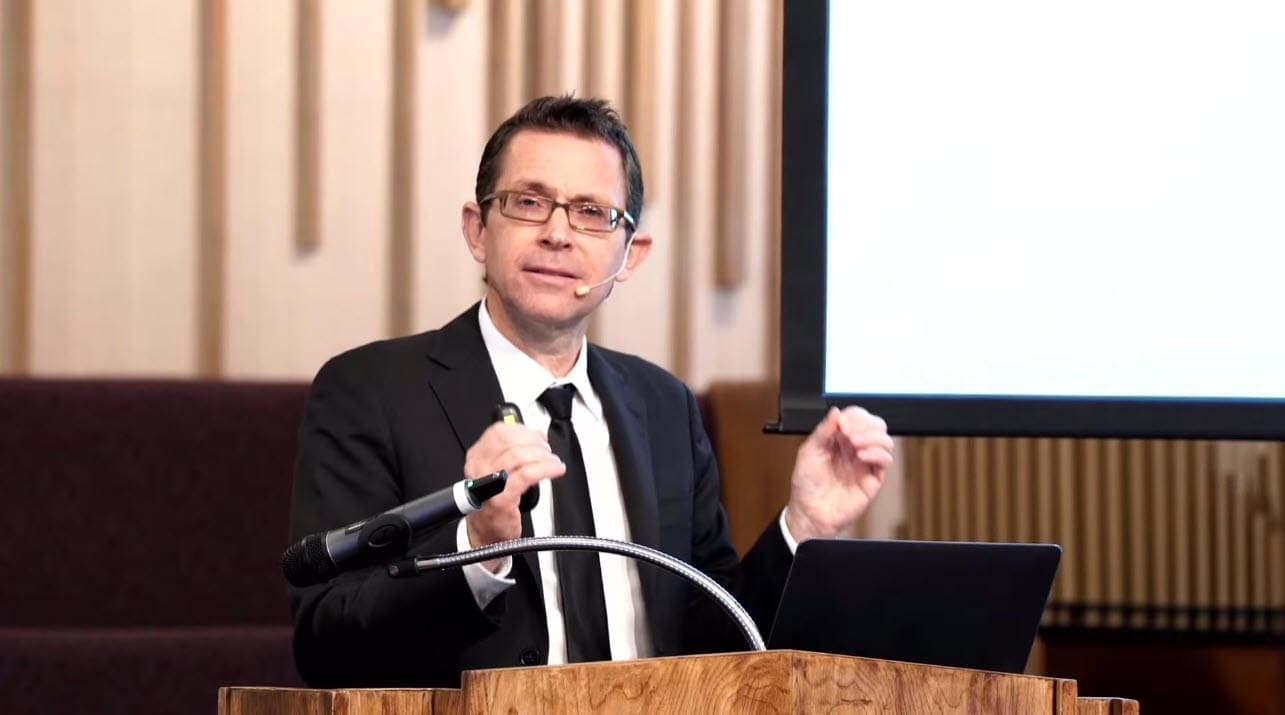
This video presents a detailed and spiritually rich sermon focused on practical sanctification, the process of salvation, judgment, and the preparation of the believer for eternal life in union with God. Below is a structured summary of the core teachings and important points discussed.
1. Overview of Salvation Process
- Justification: The initial act where God forgives sins when a person confesses and accepts Jesus Christ. This is God’s work, not human.
- Sanctification: The ongoing process in the believer’s life where God works to make them holy and prepare them for eternal life.
- Judgment: Happens at the end of time after justification; it separates the righteous from the wicked based on their lives and characters.
2. Importance of Little Things and Continuous Choices
- Referencing Luke 16:10 and Revelation 22:11, the sermon emphasizes that:
- Small daily choices accumulate to form character.
- Judgment is based on obedience and faithfulness in little things.
- Life decisions are binary (saved/lost, yes/no) with no middle ground.
3. Law as the Transcript of God’s Character
- The law reflects God’s thoughts and feelings — His character.
- Judgment is based on how our thoughts and feelings (our character) align with God’s character.
- Sin originates in thoughts and feelings, as shown in Matthew 5:28 (lust) and 1 John 3:15 (hatred).
- God’s law is a law of liberty — it represents freedom through obedience.
4. The Role of Mind, Heart, Thoughts, and Feelings
- Character is formed by the combination of thoughts and feelings, which take place in the mind and heart.
- Sanctification involves renewing the mind and heart to reflect God’s character (Ephesians 4:17-20).
- Grieving the Holy Spirit happens through wrong thoughts and feelings, not just actions (Ephesians 4:30).
5. Sealing by God and the Final Test
- God seals His people in their thoughts and feelings, reflecting His character.
- The final test involves loyalty to God’s commandments, particularly exemplified by the Sabbath issue (Sunday vs. Sabbath worship).
- Being sealed means being immovable in faith — one would rather die than sin again.
6. Faith and Works
- Justification comes by faith in Jesus Christ (Galatians 2:16).
- Faith is living and active; without works it is dead (James 2:26).
- Sanctification requires cooperation with God’s Spirit to change thoughts, feelings, and behavior.
7. The Marriage Metaphor
- The relationship between God and believers is likened to a marriage.
- The believer is being prepared as a bride for Christ, reflecting complete unity and love.
- This implies complete surrender and transformation into Christ’s image.
8. The Role of Free Will
- God respects human free will.
- Salvation cannot be forced; it requires voluntary acceptance and cooperation.
- The cross was necessary to preserve freedom — love requires choice.
9. The Ultimate Goal
- To restore the original image of God in man — perfect harmony of thoughts, feelings, and character.
- To become like Christ in character perfect for eternal life.
- To be part of the redeemed who will judge angels and share eternal life with God (Revelation 20:4; 1 Corinthians 6:2).
10. Urgency of Preparation
- Judgment began in 1844 (October 22), and it is ongoing.
- The sealing process is about preparing for this final judgment.
- Every believer should self-examine readiness to stand firm in faith.
11. Call to Action
- Be doers of the Word, not just hearers.
- Continually renew your mind with Scripture.
- Choose daily to align thoughts and feelings with God’s character.
- Accept and cooperate with the Holy Spirit’s sanctifying work.
- Prepare for the final test with unwavering faithfulness.
Key Scripture References Mentioned
- Luke 16:10
- Revelation 22:11
- Romans 2:12–13
- James 2:12, 26
- Matthew 5:28
- Ephesians 4:17–20, 30
- Revelation 7; 14 (The sealing)
- Galatians 5:1; 2:16
- Psalm 33:11; 119:44–45,112–113
- Jeremiah 6:19; 29:11
- Joel 2:28–32
- Ezekiel 28:13
- Exodus 28:1–15 (Breastplate of judgment)
- Esther 8:8 (King’s seal)
- Ezekiel 11:5
Conclusion
This message deeply explores the practical aspects of sanctification, emphasizing that salvation is not just an event but a lifelong process involving daily choices that shape our character to reflect God’s own. The ultimate goal is to be sealed by God — fully united with Him in character and ready for eternal life without sin. The final judgment depends on this transformation, underscoring the urgent need for each believer to commit fully to God’s law written on their hearts through the Holy Spirit.