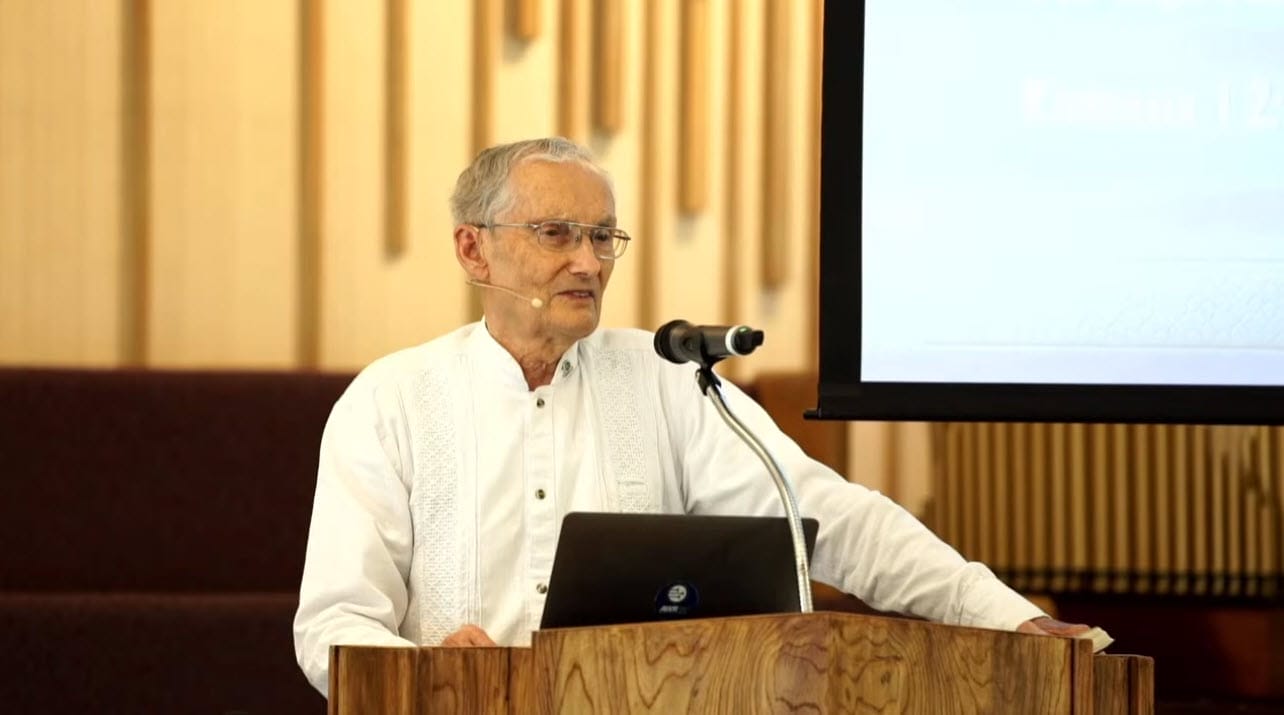
Sermon on Judgment and Perfection
Judgment Overview
- Judgment is described as a solemn reality where all will stand before Christ’s judgment seat.
- Books are opened revealing the deeds of every person, including secret things.
- Judgment is connected with justification by faith; they are “close friends,” meaning faith in Jesus is key to standing justified.
The Two Sides at Judgment
- One side: Those who have overcome sin and bear perfect character like Christ.
- Other side: Those who continue in sin, rebellion, and stubbornness.
- Most believers fall somewhere in between; they struggle daily with sin but strive to grow in Christlikeness.
Understanding Perfection
- Perfection is a sensitive and often misunderstood topic.
- Ellen White uses the word “perfection” extensively but clarifies it means growing character toward Christlikeness, not flawless sinlessness.
- Key points on perfection:
- It is attained through contemplating Jesus and receiving His power.
- It involves exercising mercy and compassion toward others.
- It is a continual process of growth, not a final state.
- Even mature Christians recognize their shortcomings more deeply as they grow.
The Final Judgment Scene (Zechariah 3)
- Joshua the high priest represents God’s people; Satan accuses them of sinfulness.
- God rebukes Satan, removes Joshua’s filthy garments (sin), and clothes him in rich robes (Christ’s righteousness).
- This symbolizes the final atonement and justification of believers before Christ’s second coming.
- Believers are imperfect yet covered by Christ’s righteousness, accepted by God.
Encouragement for the Journey
- The remnant church faces trials and persecution but remains faithful.
- God’s people are called to keep commandments by faith in Jesus.
- The final victory belongs to those who persist in faith, repentance, and growth toward holiness.
- The judgment affirms salvation for those clothed in Christ’s righteousness.
Conclusion and Invitation
- The sermon ends with a call to trust fully in Jesus’ sacrifice on Calvary.
- Believers are encouraged to keep pressing forward in their spiritual journey despite struggles.
- Prayer asks for cleansing, guidance from the Holy Spirit, faithfulness, and joy in serving others.
- The congregation sings “Redeemed” celebrating salvation through Christ’s blood.
Key Takeaways
- Judgment is real and involves a review of every person’s life before God.
- Justification by faith in Jesus is essential to stand justified at judgment.
- Perfection means continual growth toward Christlikeness, not flawless sinlessness.
- Believers are covered by Christ’s righteousness, not by their own merit.
- The final judgment scene shows God’s mercy triumphing over Satan’s accusations through Christ’s advocacy.
- Christians are called to live faithfully, exercise mercy, and keep growing spiritually until Jesus returns.
Important Scripture References
- Daniel 7:9-10 – Vision of the Ancient of Days seated for judgment.
- Ecclesiastes 12:14 – God brings every work into judgment.
- James 2:12 – Speak and live as those judged by the law of liberty.
- Revelation 14:6-7 – Call to fear God because the hour of judgment has come.
- Zechariah 3:1-10 – Joshua the high priest cleansed from sin before God.
- Psalm 143:2 – No living person is righteous before God without mercy.
This sermon offers a hopeful yet sober reflection on judgment, urging believers to trust fully in Jesus’ righteousness while striving to grow in holiness through His grace.