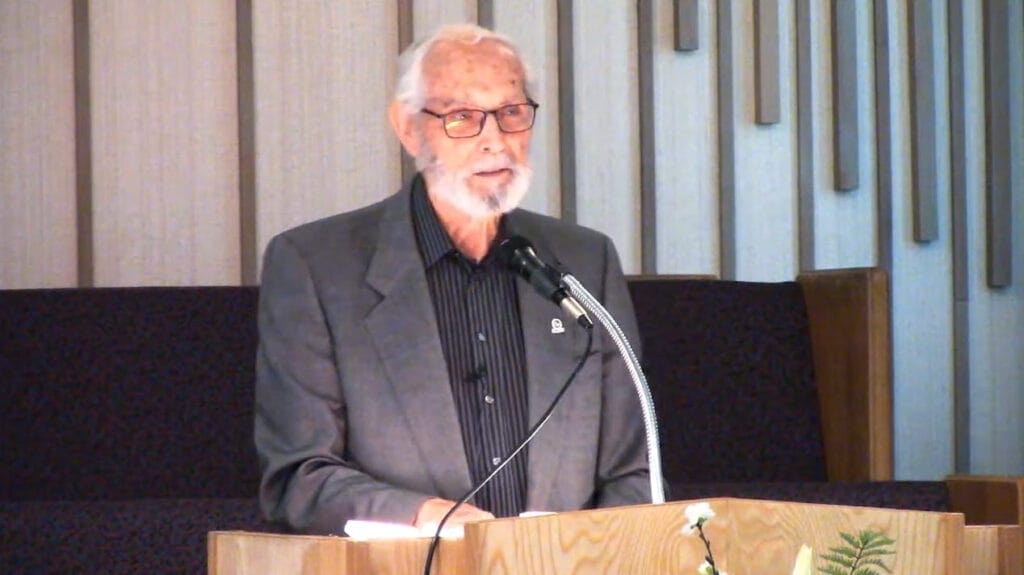
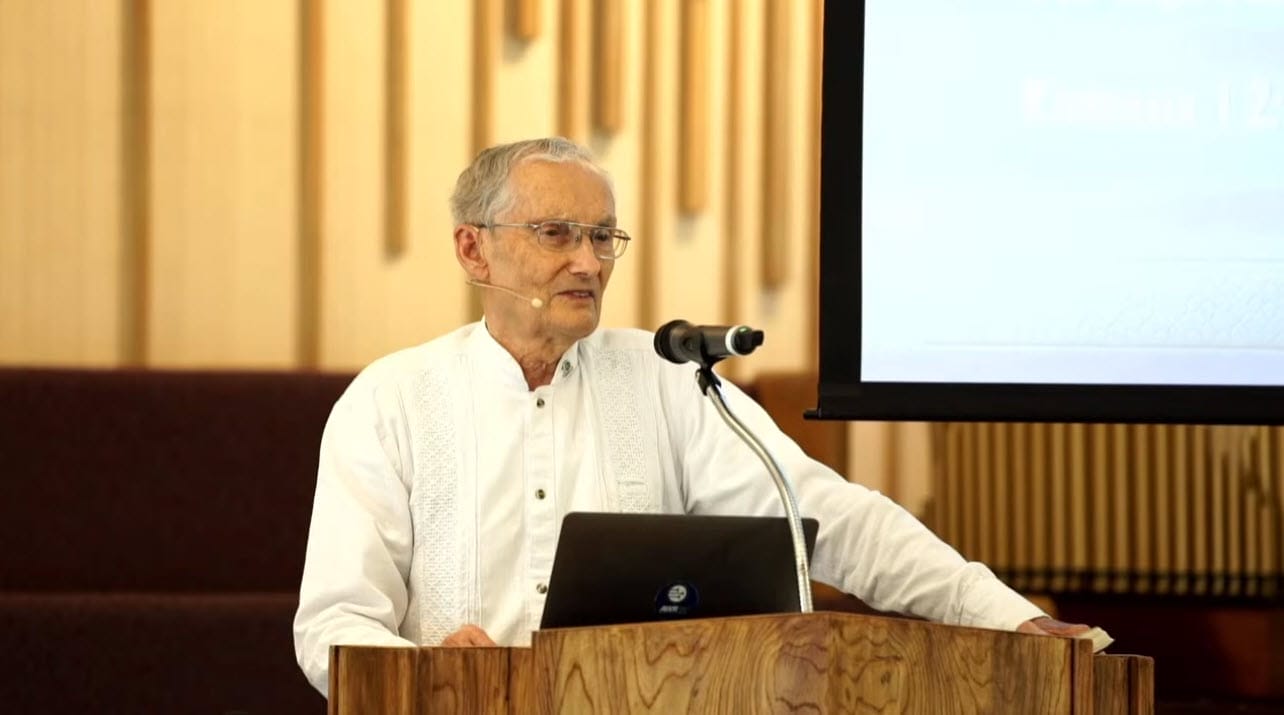
Pastor Wellman’s sermon is based primarily on Jesus’ warning in Matthew 16:6–12 to beware of “the leaven of the Pharisees and Sadducees.” He explains that Jesus was not referring to bread but to the Pharisees’ hypocrisy, as clarified in Luke 12:1.
What the “Leaven” Represents
The speaker describes the yeast of the Pharisees as:
- Hypocrisy—appearing righteous outwardly while harboring wrong motives inwardly
- Self-righteousness and spiritual pride
- Concern with public recognition and appearances
- Judgmentalism and criticism of others
- Focusing on minor religious details while neglecting mercy, justice, and faith
- Cleansing the “outside of the cup” while ignoring inner character
- Performing religious duties to be admired by others
He warns that this attitude can affect sincere, committed Christians because the desire for recognition and self-exaltation is part of fallen human nature.
Outward Religion vs. Heart Transformation
The sermon contrasts external religious performance with genuine holiness. Examples include:
- Giving offerings to receive praise
- Praying publicly to appear more spiritual
- Fasting in a way designed to attract attention
- Carefully counting small items for tithe while neglecting compassion
- Criticizing someone for carrying a mat on the Sabbath while overlooking the miracle of healing
The speaker emphasizes that God is primarily concerned with the motives and condition of the heart, not merely outward conformity.
The Danger of Judgmentalism
Using Jesus’ teaching about the speck and the plank in Matthew 7, the pastor cautions against judging and criticizing others. Christians should examine their own hearts before focusing on other people’s faults.
He distinguishes between wise, Spirit-led discernment and a condemning, critical spirit. The purpose of Christian influence should be to point people to Jesus, the “great Physician,” rather than to shame or condemn them.
The Central Importance of Love
The sermon concludes by emphasizing Christian love as the strongest evidence for the gospel. First Corinthians 13 is used to describe love as:
- Patient and kind
- Not envious, boastful, proud, rude, or self-seeking
- Not easily angered
- Free from keeping records of wrongs
- Protective, trusting, hopeful, and persevering
The pastor encourages the congregation to pray daily for Christlike character and to allow the Holy Spirit to remove pride, criticism, and self-centeredness.
Closing
The congregation sings “Jesus Is All the World to Me” and closes with prayer. Pastor Wellman encourages members to remain faithful, support the local church, attend worship regularly, and continue growing in their relationship with Jesus.